写在32岁到来之际On Turning 32
Translated from the Chinese original, first published on WeChat「世像」on October 5, 2026.本文 2026.10.05 首发于微信公众号「世像」。
目录Contents
导读
If you're a lover, you gotta be a fighter;
if you don't fight for your love, what kind of love do you have?
回顾
这一年,冒出来最多的一个念头是:不敢想象,如果我还有二十岁时的脑力,再配上今天 AI 的能力,一天能做多少事情。
不过,有一天跑步的时候,我开始胡思乱想:为什么一定要做很多事情?这个问题好像问错了方向。它默认我一天做多少事,决定我最后能拿到多少东西。但是,这一年让我反复碰壁的地方,恰好在两者之间:做事是一回事,拿到结果,是另一回事。
去年我写的是:对别人来说,感受不重要,结果才重要;对自己来说,结果不重要,感受才重要。三十二岁,我想在后面补一句:对自己来说,做了多少也没那么重要,做对了什么,才重要。
二十几岁的时候,我把努力和有效当成一件事,觉得投入够多,结果迟早会来。后来发现,中间还隔着判断。方向对了,持续的投入才是时间的朋友;方向错了,做得越多,越快,离想去的地方越远。
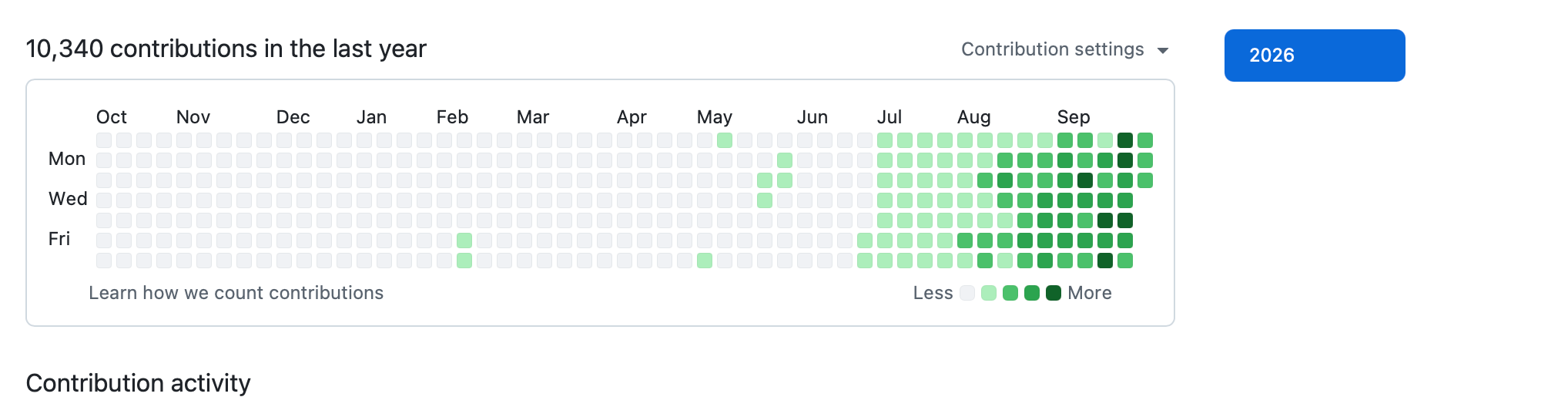
今年我做了很多过去觉得自己做不了的东西:写代码,做网站,申请孵化器,入围一些然后被淘汰;做视频,A2A 对话,申请DID,跑数据管线,做见证链。0 代码基础的我,今年还没过完,GitHub 留下了一万多次 contribution,屏幕上常常同时开着几个任务。看上去很热闹,但反馈却没有跟着热闹起来。
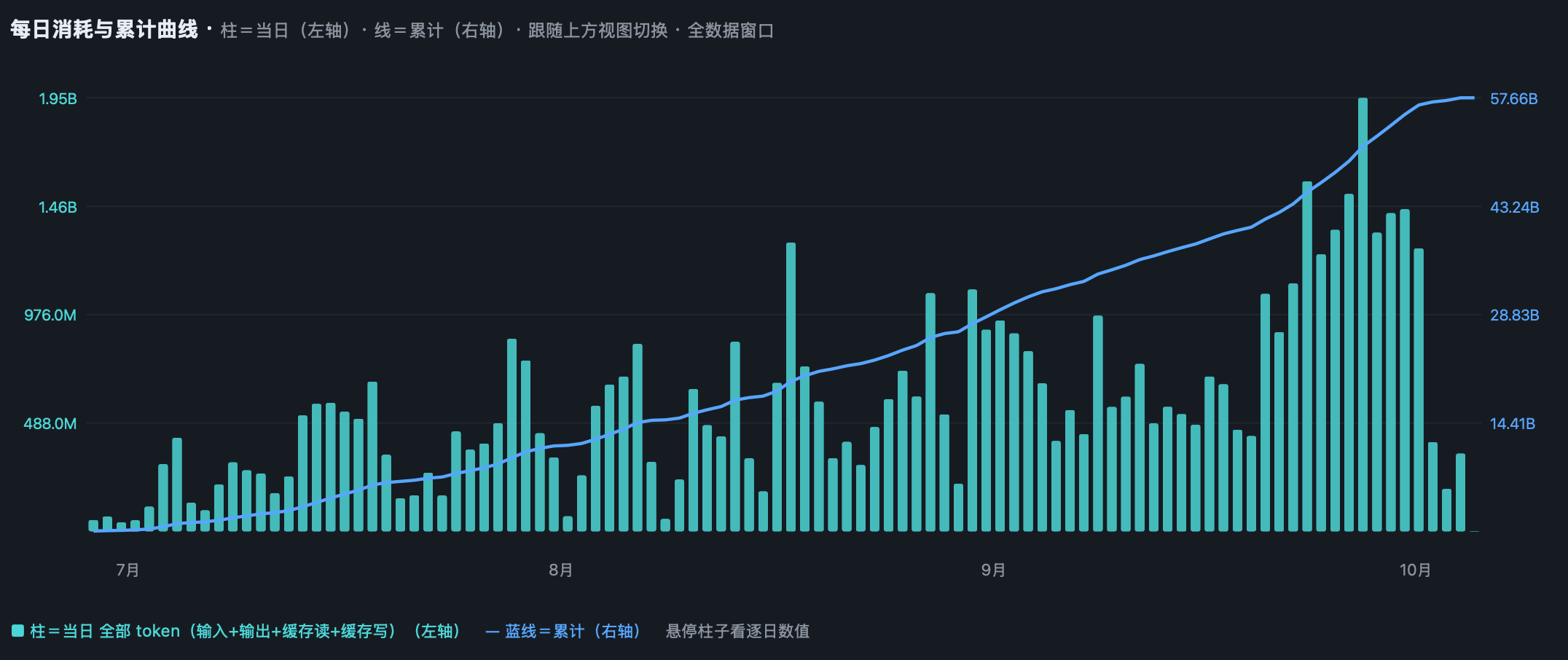
用世俗的角度来说:我仍然没有拿到一个足够大的正反馈,告诉我这次终于做对了。很多时候,我只能一边怀疑,一边继续往前推。
我也会经常反问自己,这些年攒下来的究竟是能力,还是位置。能力可以带走,位置带不走。一个人只有在某个平台、某个头衔下才会做事,一旦离开平台,原来那些熟练可能也会跟着消失。
这个问题让我有点心虚,因为答案没有那么笃定。
很多人想象创业像拳击,几个回合定胜负,实际上更像马拉松。绝大多数时间:easy run训练,间歇训练,节奏训练,长距离训练,恢复,持续输出,没有高潮,没有英雄时刻。只有今天把今天跑完。然后第二天继续训练。
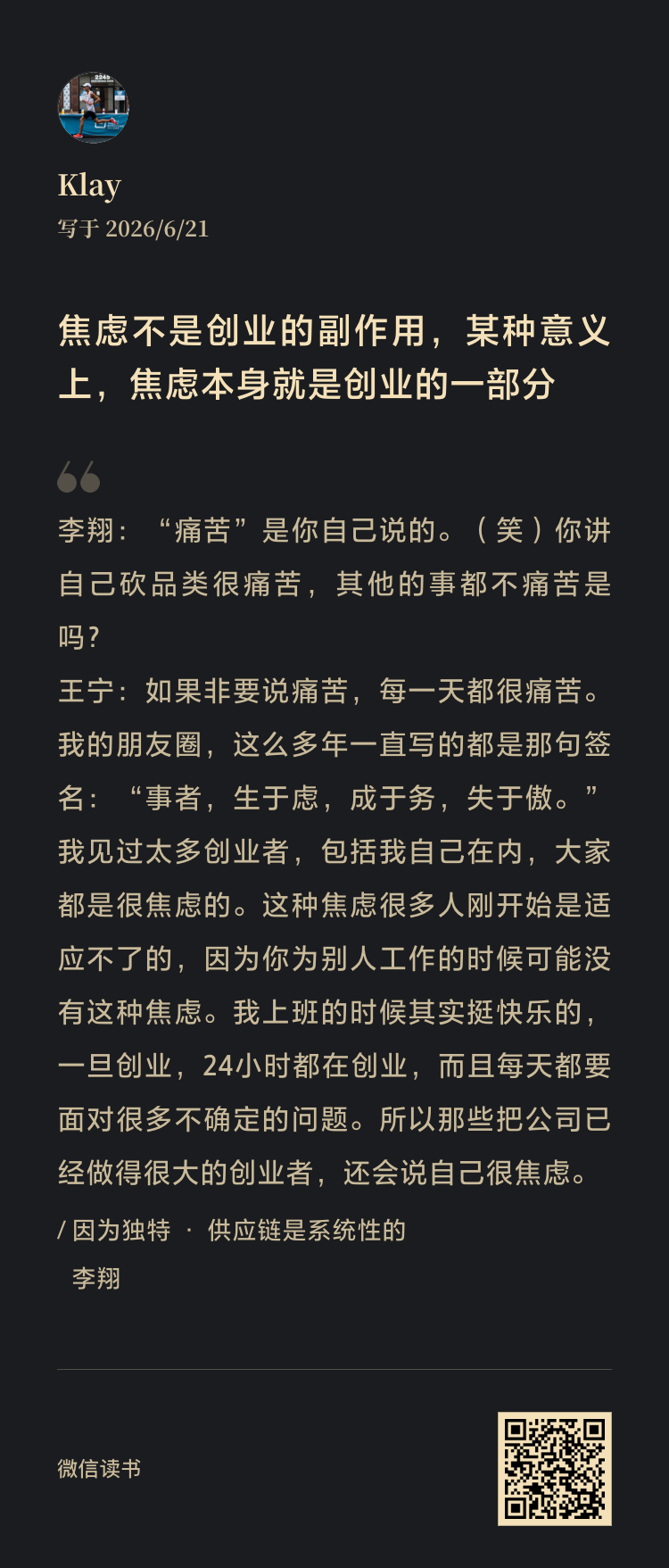
人到三十二岁,也没有突然活明白。害怕的东西只是更具体了:离死亡更近了,被拒绝,产品没人要,谈钱尴尬,朋友没有自己以为的那么广。
剩下的生命会比想象中长,也可能比想象中短。三十二岁,我想写写自己到了哪里,接下来还想怎么过。
01 主动和真诚是筛选器
我很早就发现自己有一个具体的天赋:记忆力极好,我对人很敏感,对数字不敏感。很多人对数字的敏感是看一眼一个表就知道问题在哪,我不行;我擅长记人,过目不忘。社交平台的头像、微信昵称、某个平台上发过的一句话,之后再遇到,能很快对上号。这件事听上去没什么用,做起 sourcing 来是硬通货。
但有时候也会产生错觉,认识得久、聊得多、知道彼此很多事,很容易被我当成关系很深。
今年有过一段至暗时刻的时候,我当时向一些身边的朋友求助。
有些人认识了很多年,我一直觉得彼此很近。消息发过去,最后没有回音。另一些平时联系不算频繁的人,觉得不是那么 close 的,反而愿意停下来听,认真问我需要什么,然后真的来帮忙。
事情没有马上变好,心中的朋友的名单,却因此开始重新排了一遍。
我不会因为一次反应,就把一个人过去所有的好全部抹掉。有人害怕麻烦,也可能刚好处在自己的难处里。有人不知道怎样安慰,有人手里确实没有能解决问题的办法。这些都能理解。
但是,在求助的时候,你原本把对方当朋友,但对方直接的沉默,忽视和躲避,会直接影响你们之前的人际关系银行存款。
理解一个人,但不妨碍我重新决定彼此应该放在什么位置。关系叫什么,未来去怎样介绍彼此。遇到事情时,怎么做,决定了以后还能走多近。
我现在仍然没想好朋友的完整定义。但想了想,大概还是需要共同经历过一些事情,或者至少见证过彼此的一段生活。顺利的时候谁都容易相处,低谷会让人看见许多平时看不见的东西。
聊天频率、认识年限、朋友圈里的互动,只能说明彼此熟悉过。遇到事情时,有人愿意多问一句,愿意承担一点不方便,愿意把你的痛苦当成一件真的事情,这段关系才有了重量。
我也会回头看自己,在要求别人的时候,自己是不是也做到了。
我一直觉得自己是愿意帮忙的人。有人找我介绍资源、查资料、转发朋友圈,只要没有把我的善意当成免费的劳动力,我通常都会帮。主动和真诚既会筛选别人,也会反过来照见自己。希望别人别在我困难时消失,也要问自己,有没有在别人开口前伸出援手,在开口后认真努力。
我的MBTI,基本上会稳定在 ISFJ 和 INFJ 之间,J 和 F 一直很稳定。J人的特点,就是生活一切井井有条,纹丝不乱;但F人的问题也很明显:很容易内耗。别人一个动作,晚回一条消息,可能只是忙;我已经在脑子里把上下文复盘了几遍。
四个字母解释不了一个人,倒能提醒我一个毛病:太在意别人的感受时,容易把自己的需要藏起来。藏得久了,又希望真正亲近的人能够自动看见。这个要求对双方都不公平。
以后我想把话说得清楚一点。需要帮助就承认需要,在意就承认在意,失望了也不用假装毫无感觉。
对那些没有走过来的人,我会理解,也会慢慢疏远。遇到新朋友,我还是愿意先付出一点。
做 VC 要一直在场,才有机会等到回报。朋友不能拿 IRR 来算,但底层有一点是相通的:你需要一直留在牌桌上。把自己完全关起来,坏事少了,好事也进不来。
真心不保证一定换来真心。但没有真诚,一定换不来真诚。
三十一岁我写过,爱是一种立场,跟概率没多大关系。三十二岁给它加一句:立场写在行动里,尤其写在麻烦来的时候。
02 会用工具很快就不稀缺了
来美国以前,我考虑过转码,因为当时觉得转码更好找工作。后来又觉得,中美两边都有大量科班出身的程序员。我没有计算机背景,和学了四年 CS 的学生竞争没有优势,就没有转。没想到两年以后,我反而开始沉迷 coding。
人生有时候就这么欠揍。你既怕,又忍不住想;既然想,就只能进去看看。不禁感慨:你既怕又何必想,你既想又何必怕。
最直观的感受是:AI的确把过去很高的门槛拆低了。我可以让几个 agent 同时跑,写代码、查问题、改文档、整理资料,屏幕上看着像突然多了一个团队。我还专门算过:大概第7个以后,7-8 个agent 并行,团队没有乱,我先乱了。
任务之间会互相影响,各自做对的东西放在一起,也可能直接爆炸。机器还在继续跑,我的注意力和带宽,已经跟不上了。
新问题变成了:干什么、先干什么、什么算做好、哪里出问题了,以及出了问题bug 怎么修,谁来修。
一个人能同时调度多少agent,最后仍然受限于他自己能看住多少事情。这大概是我今年对 AI 最直接的感受。
然后,我要实名给今年一个热词泼一盆冷水:OPC(one person company),即所谓的一人公司。
我自己的亲身经历告诉我:每个人的时间,精力,注意力是有限的。
你今天做一个one man company,假设你做一个软件的开发,如果你想把这个事干好。你说我还能做个内容,同时还要把宣发渠道把它打开,你一定没这个精力的,至少我自己做不到。我最近试过我自己同时做运维,自己写代码。然后自己管理服务器的状态,自己debug,然后还要做用户的反馈,每天在看后台的这些报告,然后还有想着怎么去起草内容,怎么去做视频,然后再换个脑子,钱还没赚到,你人先垮了。
机器可以 24 小时运转,token到位,不会嫌累,但人会。屏幕上多开几个窗口很容易,脑子里多长几块前额叶比较难。
这一年行业里最响的一句话是 AI 会替代谁。我自己看下来,真正发生的事情要平淡得多:会用工具这件事,很快就不再是壁垒了,壁垒挪到了业务理解和判断上。有了 AI 之后,大家都能说 I can,却越来越难回答 why me。
和一个做算法的人聊,他说:伟大的产品早期不一定低维,但通常应该低秩,简洁到每一个巧思都恰到好处、一针见血。
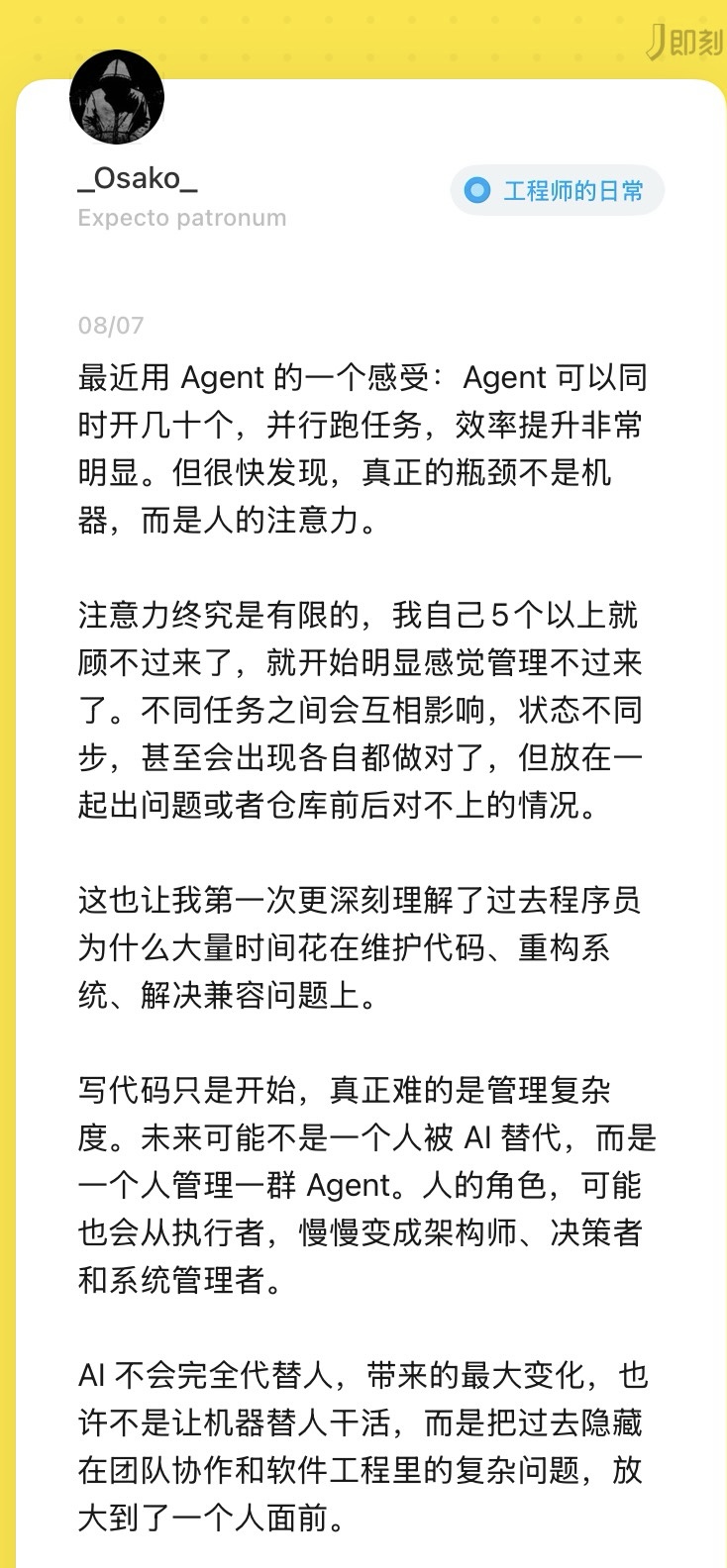
一个天天开 Agent 的工程师说,Agent 可以同时开几十个,并行跑任务,效率提升非常明显。但很快他发现瓶颈从机器挪到了自己的注意力上,超过五个就管不过来了,不同任务之间会互相影响,甚至出现各自都做对了、放在一起却出问题的情况。
我今年开始第一次真正理解了,过去程序员为什么把大量时间花在维护代码、重构系统、解决兼容上。写代码只是开始,难的是管理复杂度。
三句话说的是同一件事:能产出的东西变便宜了,能分辨什么是好的那个能力变贵了。
工具能把一个人的执行放大,也会把混乱、犹豫和低标准一起放大。人的时间、注意力和责任没有随着模型版本一起升级。
过去一年,我做了3套数据管线,以及对应的见证链,记录数据从哪里来、什么时候进来、经过了什么处理,再把关键结果上链。我希望每一步都留下证据,以后谁也不能悄悄把历史改成另一个版本。
有一天,上游数据突然和往常对不上。
我一时分不清是源头变了、接口出了问题,还是自己的程序有 bug,心里已经先慌了。见证链可以证明一段记录后来没有被改过,却不能替一开始写进去的数据判断真假。错误一旦被完整保存,只会变成一份保存得很好的错误。
那天一个报错后面,是之前我对外说过的话和承诺。我已经承诺这套东西能被核验,能留下可靠记录。机器不停地产出,越是自动,我越担心自己来不及发现哪一步已经偏了。
这件事把我对 AI 的兴奋往回拉了一点。
我以前把不会写代码看成最大的门槛之一。真的写起来以后,问题慢慢变成了别的东西:该相信哪个数据,什么时候发布,出了错先关掉什么,面对用户怎么解释。这些问题没有标准答案,也不能交给七个 agent 去投票。
懂行的人会拿 AI 扩大自己的判断,不懂行的人容易把判断交给 AI。只在领导和 AI 之间转发信息的人,位置会越来越尴尬。
我对 AI 最深的感受没有十条,只有一条:世界在以前所未有的速度产出平庸供给,平庸之间的差异逐渐抹平,接下来只有卓越和平庸两极了。
今年大家都在谈 K 型分化,它还会越来越明显。AI 很容易让一个人的长处变得更长,也能把短板补上一点。
如果 K 型描述的是上下分化,我更愿意把眼前的变化画成一个 E,叫它E型:顶层握着资本、算力和分发,中间层拿着相似的工具竞争,底层仍然很难跨过技能和资源门槛。现在还加上了算力的门槛。三层都在使用 AI,彼此的距离却没有明显缩短。
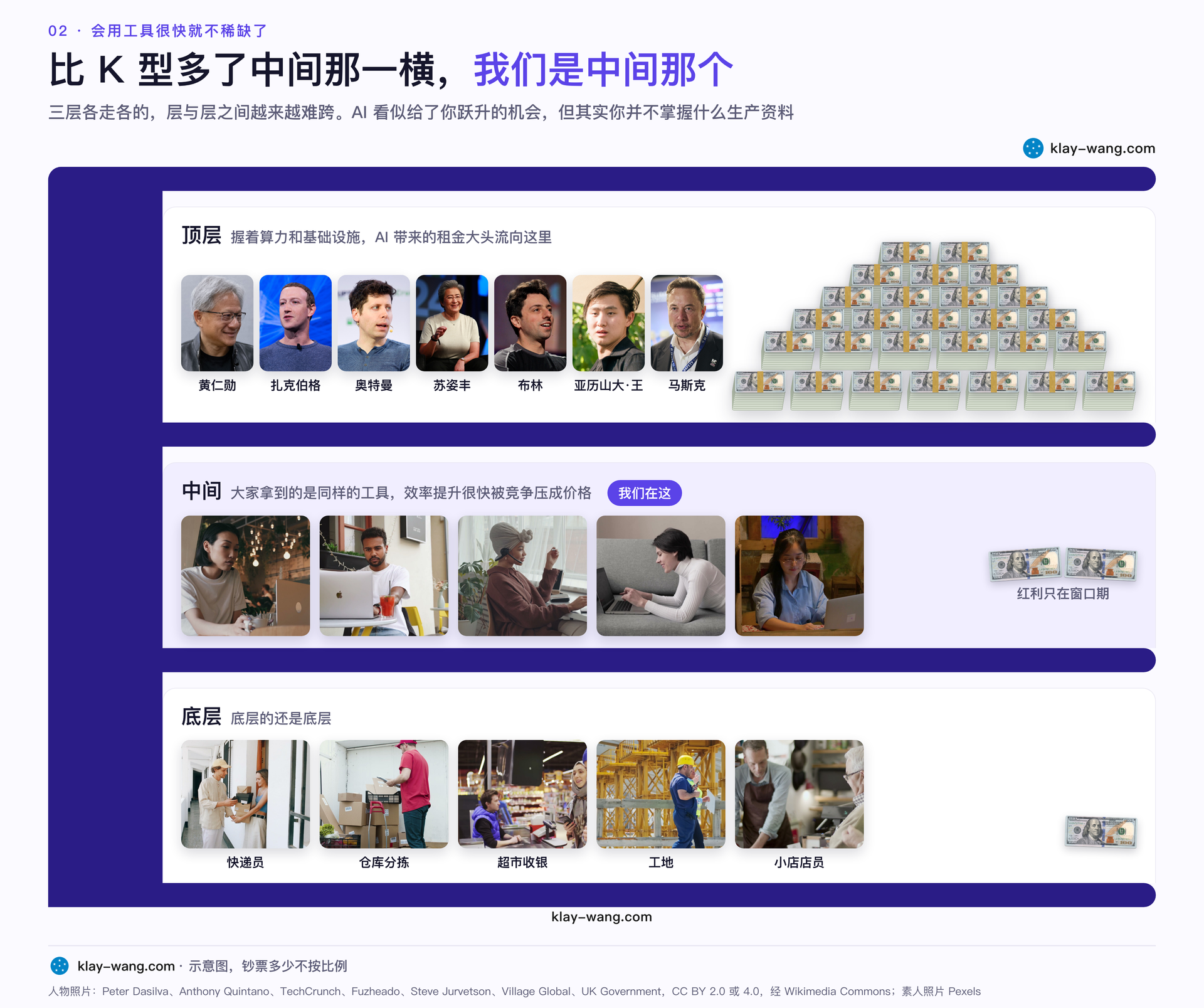
2026年9月,Shopify 的 CEO,把自己的私人酒窖改成了私人机房:三排机架,有 Dell Pro Max with GB300、RTX PRO 2000、16TB NVMe、dual 400GbE三排黑色机架,24 小时恒温恒湿。

我们大部分人是中间那条线,AI看似给了你跃升的机会,但其实并不掌握什么生产资料。大家拿到的是同样的工具,效率提升很快被竞争压成价格,红利只存在于窗口期。能留下来的,是把这段红利换成自己的数据、读者和口碑的人。
我今年算是非常积极的在拥抱AI和尝试,试错,体验,感受,和年轻人去接触;会发现一个有意思的现象:在拥抱ai 这件事上,有时候和年龄无关,更多的体现出来的是性格。年轻人里,也有觉得麻烦不想去探索的;所谓的大厂,高P,中登老登,也有积极拥抱的,最后体现的我觉得是个人的性格。
AI 也会制造一种错觉:产出了一个像样的答案,就以为自己已经懂了。实际往往只学了皮毛,内心里却滋生了狂妄。所以时常保持好奇心,谦逊,积极拥抱。以后遇到不熟的领域,我希望自己少下结论,多找真正做过的人问。
03 生命力,是买不来的
熟悉我的人,都知道我是一个十足的竞技体育爱好者。
体育对我最大的帮助,是维持生命力以及从竞争,合作的角度来思考问题。近20年持续关注,投入在竞技体育的一个好处是:你可以在很早之前就知道竞争的残酷性,而且更重要的是能坦然的接受:失败是常态;即使伟大如乔丹,科比;费德勒,德约;也都是肉身做的,都有人本身的身体极限和生理弱点,以及情绪化的问题。
体育从来没有保证努力就能赢。而且它本身是十分残酷的:几乎没人记得第二名,金牌只有一个,第一名也只有一个,但又能鼓励一代代人,在下一次发球、下一公里、下一组训练到来时,仍然愿意站上去。
真正心理强大的人,遭遇打击,挫败的时候,不是绝望地顺从,或者遗憾地放弃,而是会把这些挫折当成要往面粉里掺的水,掺水的过程中要不断地揉,揉的过程就是韧性成长的过程。
三十一岁那年我写过:我身边有很多很有钱的人,包括家里有矿的、家里有上市公司的、买股票财富自由的。你说不羡慕他们的生活那是虚伪的假话,投胎是个技术活。但后来在我的朋友圈里,最令我羡慕的人,是那些晒自己跑半马、全马、越野跑几十公里、爬了很高的山的照片的人。生命力这玩意,用钱是买不来的。
三十二岁我更信这句了,而且开始把它当成一份具体的清单来对。我从小就有一个不切实际的愿望:理想生活是当运动员。职业运动员是没机会了,也来不及了,按运动员的方式生活还来得及。起床知道今天练什么,练完身体很累,心里反而安静。比赛会输,状态会差,休息够了再回来。
以前谈身体,大家追求的大多是低体脂、肌肉线条、睡眠和饮食,像一张昂贵的保养清单。到了真正失去的时候,身体的意义忽然简单了:它允许你再见一个人,再走一段路,再吃一顿饭,再把某句话当面说出来。
今年夏天,姥姥离开得很突然。
妈妈原本每周去看她两三次。那周周中刚见过,到了周六,却突然收到了姥姥去世的消息。我当时没有想到什么大道理,脑子里只剩下一句话:妈妈再也没有妈妈了。
后来我刷到一段短视频,大意是:随着年龄增长,人越往后,身边的人会一个个变老,会不断面临有人离开自己。而孩子带来的一点安慰,就是家里始终还有一个年轻的生命在长大。有人慢慢走远,也有人正在学会说话、走路、奔跑。生命没有只往失去的方向走。
原话我已经找不到了,也不想拿它劝任何人做选择。它只是让我第一次理解,为什么一个孩子的精力、好奇心,甚至满屋子乱跑的声音,会给成年人带来安慰。
一个家会经历告别,也会继续吃饭、睡觉、庆祝生日。悲伤不会被新生命抵消,生活会被它往前拉一点。
我对身体的理解也在这一年变了。我看到一个我很喜欢的问题:如果你的身体是一台法拉利,你会如何保养它。
我现在更在意自己能不能稳定入睡、好好吃饭、保持训练,牙齿和头发少出问题。钱可以买到更好的医疗资源,却不能代替我睡觉、训练和恢复。
二十六岁写生日总结时,我用了很长一节写跑步。那时候喜欢 PB,喜欢更快的配速,喜欢用训练证明一个普通人也能把极限往外推一点。
三十二岁,我还是喜欢竞技体育,也还是想跑得更快。身体现在更像一张有效期未知的门票。有它,我才能去见一个人,陪家人吃饭,重新走一次十四年前去过的地方,也能在想念一个人时真的坐到他对面。
很多东西可以让 AI 帮忙,身体不行。今天该睡的觉、该吃的饭、该做的训练,最后都得自己完成。
vakee 今年在即刻发过这样一段文字
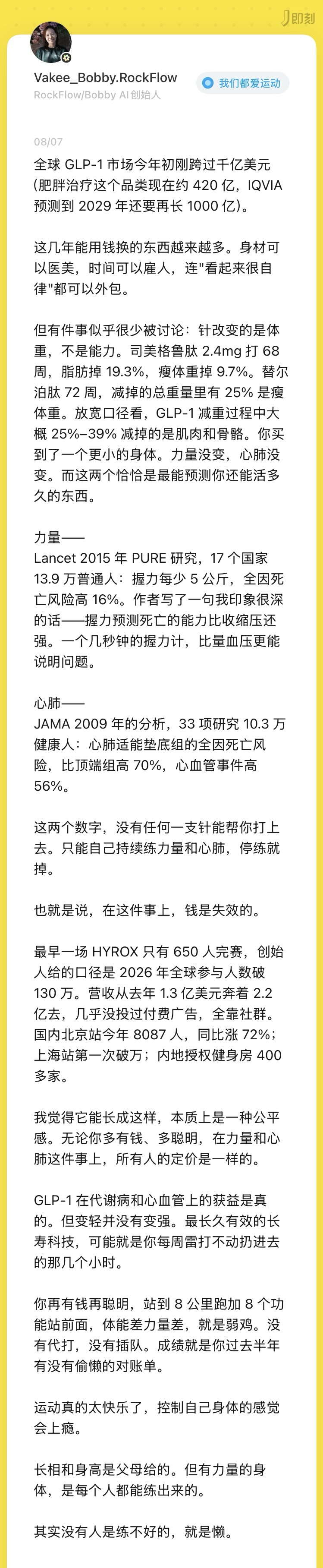
我当时的下面评论是:变轻和变强,是两件完全不同的事。药物可以帮助我们减轻负担,但力量和心肺只能靠时间和训练换来。跑过马拉松的人应该更能理解这句话:成绩不会骗人,身体能力不会骗人。间歇、力量训练、功能训练,没有任何捷径。你过去几个月如何对待自己的身体,最后都会在赛场上得到答案。
身体,是少数无法外包的资产。
跑步把这件事说得很明白。训练做没做,身体知道;前一晚睡得够不够,第二天的心率知道;嘴上说自己状态不错,跑到后半程,身体会把欠下的账一笔一笔拿回来。工作里还能靠表达和包装混过去,身体很少给面子。
我喜欢这种诚实。它让我在很多事情失去控制时,仍然有一小块地方可以慢慢重建。今天睡好一点,明天出去跑一段,后天再把距离拉长。恢复没有戏剧性,大部分时候甚至很无聊,但人的心气就是在这些无聊的重复里一点点回来。
今年还学到一个很小的作弊技巧:遇到一个特别幸福、值得记住的时刻,就放一首当时喜欢的歌。三五年以后再听,那个时段的画面会自己回来。这个办法,我准备继续用。
04 埋头做事,是最熟练的逃避
我的前老板一直告诫我一句话:你不要去做具体的事,但是要去赚具体的钱。
年轻时听这句话,我多少有点不服。事情都没人做,钱怎么会自己长出来?后来慢慢懂了:他抓的是客户、合作和利益分配。技术负责人带团队做开发,他去找客户;项目难度变了,他重新谈价格;团队多扛了一个月,他主动改分成。具体的工作,都是别人干的,最影响结果的两三件事,他自己从来不松手。
老板靠的是整合资源、招聘技术人才。钱是老板具体赚的,事情是底下人做的。靠技术赚的是做事的钱,靠整合和分配赚的是分钱的钱,后者才是能越赚越多的那一种。
具体的事交给别人,是因为你一个人干不完;最赚钱的事自己抓,是因为没人会比你更上心怎么把钱拿到手。
他招人从不说你技术多好,而是问你能解决什么问题、要多少利益才愿意干。招销售的时候,他不看对方会不会说漂亮话,只问你手里有多少企业客户资源。
我问过他,万一别人拿了利益不做事怎么办。他笑说:你先把具体的钱分清楚,愿意做事的人自然来。跟渠道商合作,先付一部分定金,签单后再付剩下的,他不做事就拿不到尾款,比盯着他干活管用多了。
我也见过另一个方向的人。
一个技术主管,技术很好,天天跟团队一起写代码、改 bug,忙得连吃饭都没有时间。公司接的项目越多,他越累,拿的还是固定工资加一点奖金。项目出了问题,他还要背锅。他总觉得技术再精进一点,收入自然会涨。
我对这个故事不舒服,因为过去很多年,我就是这种人。
我相信把事情做好,也确实从做好具体的事里得到过回报。但埋头做事还有一个隐蔽的好处:它能让我晚一点回答那些不会的问题。只要我一直忙,就可以不去想这些工作值多少钱,谁拿走了大头,我有没有能力找到客户,我敢不敢为自己的判断要价。
AI 又让这种逃避变得更加方便。一天能做的事情更多了,忙碌也更容易伪装成进展。
我会怕被拒绝,怕别人发现产品根本没人要,也怕谈钱时显得尴尬。真要靠关系找到第一批用户时,还得承认自己的朋友没有想象中那么广。
这些我都怕。
我迟迟没有拿到很大的正反馈,自信也很难凭空长出来。有时看着别人已经有客户、有收入、有投资人,会觉得自己的东西像一场很长的自娱自乐。越这样想,越容易回到最熟悉的地方,再做一点别人还没有要求我做的事。
这一题,我到三十二岁还没有答好。
承认没有答好,多少有点难看。总比写一段自己已经完成转变的漂亮故事诚实。
接下来一年,我想少做一点保护自尊的勤奋。东西到了能用的时候,就拿出去。有人说不好,问清楚哪里不好;有人愿意付钱,认真交付;没有人理,也不着急给沉默编一个好听的解释。
我很会把一件事做下去。下一课,是让它进入别人的生活,接受别人明确地说要或者不要。
05 做少数人的选择
二十六岁时,我给自己画过一个人生不可能三角:求财、求名、求开心,最多认真抓住两个。
人不能什么都要。每个选择都带着放弃,只谈得到,不谈失去,通常是在骗自己。
有两句话我今年抄了好几遍,第一句是:
做大多数人的选择,过大多数人的人生;做少数人的选择,过少数人的人生。
学大多数人的技能,获大多数人的饭碗;学少数人的深耕,获少数人的巅峰。
还有一句是王宁的:尊重时间,尊重经营。
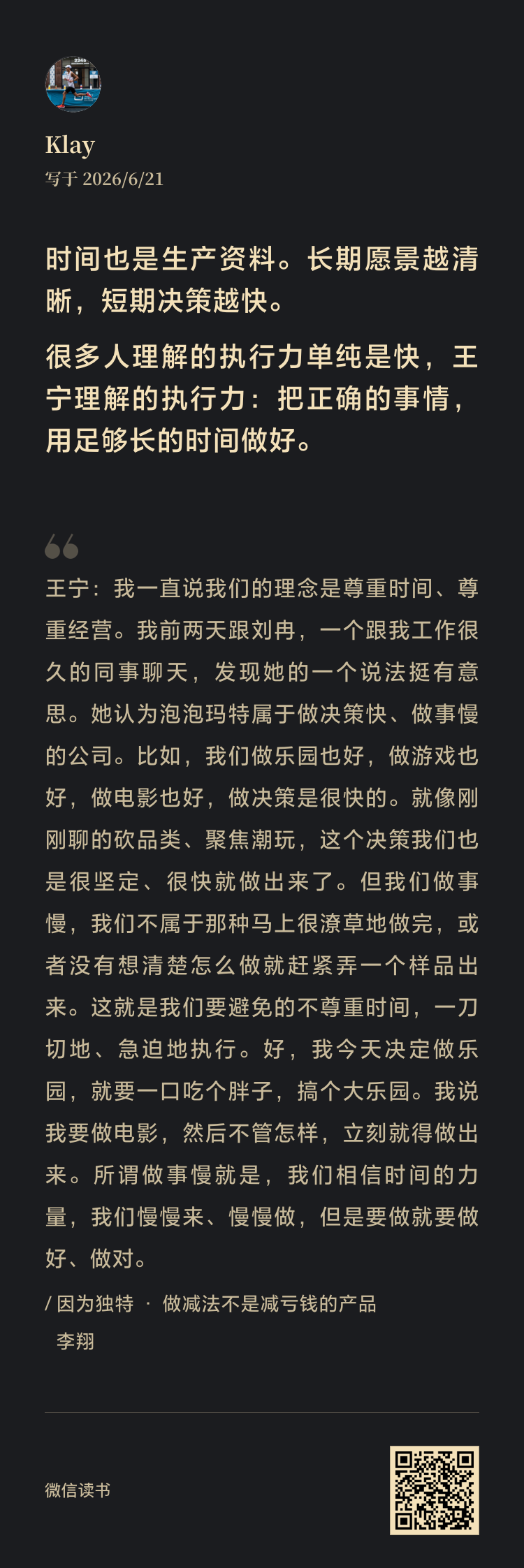
这两句话本身没什么了不起,难的是它背后的那个代价:少数人的选择在做出来的那一刻,看上去总是像个错误。
来美国以前,我考虑转码,因为它好找工作。最后没有转,因为我觉得自己没有基础。两年以后,我开始沉迷coding,这次并没有职位,也没有一张招聘需求告诉我该学什么。我做项目、跑agent、修 bug,改网站UI,研究如何不断更新 memory,而不需要频繁压缩或者蒸馏。
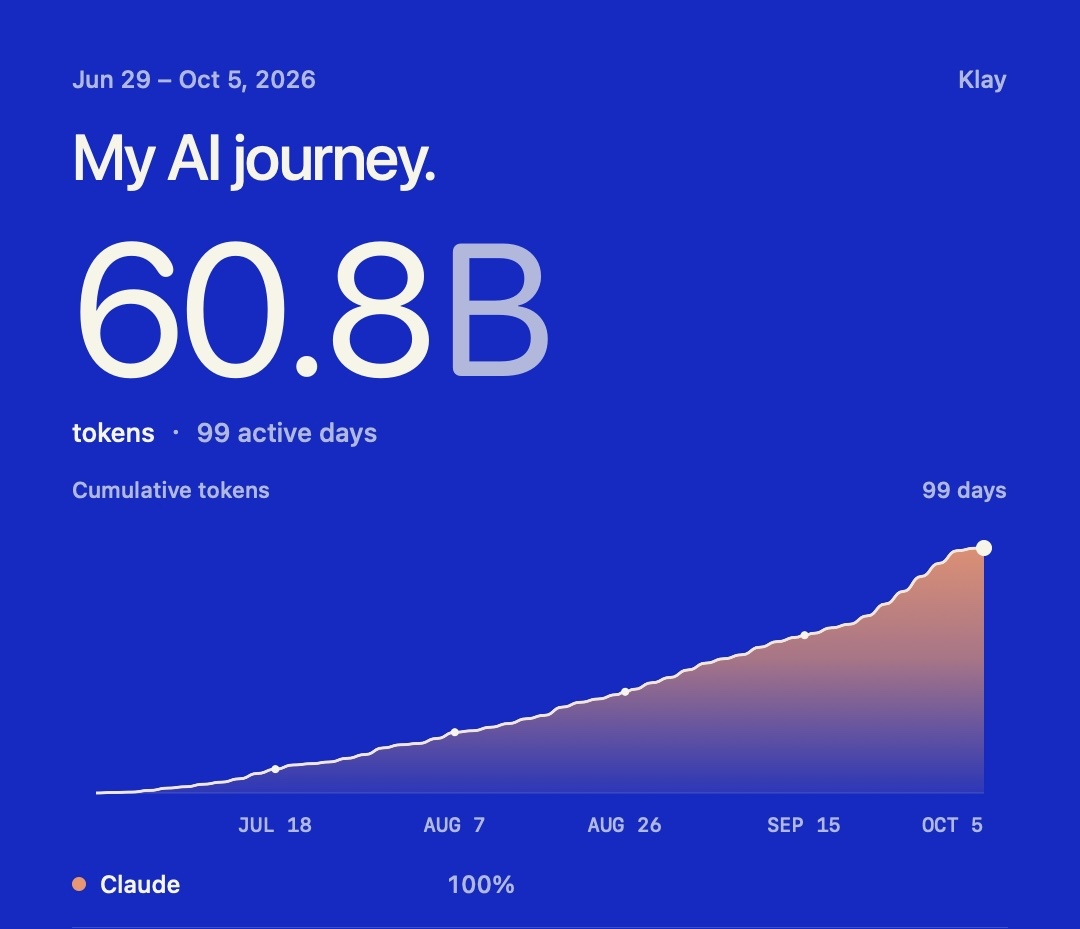
这件事暂时没有证明我选对了。它只证明:兴趣有时会绕过最现实的安排,过几年重新找上门。
所谓少数人的选择,没有那么壮烈。很多时候只是在没有掌声、没有确定回报时,还愿意多做一段时间。也可能最后证明选错了。少数从来不是正确的同义词。
大多数人的痛苦,来自同时拿好几把尺子量自己。这个月收入涨没涨是一把,同龄人走到哪里是一把,十年后想成为什么样的人又是一把。几把尺子的读数天天打架,人就很难安静。
我今年更愿意先选一把长一点的尺子,再定期看看它有没有在衡量东西。
第一,已经有人验证过的东西,先学会、先复现、先做出自己的版本。每次都从0开始,有时只是舍不得承认别人走在前面。
第二,对没有信号的事情早点承认。一个项目没有用户、没有反馈、没有进展,继续给它讲故事意义不大。注意力是这几年里唯一没有变便宜的东西,死掉的项目不能一直占着最好的位置。
第三,做时间的朋友,但也需要接受短期检验。方向可以看十年,但做出来的东西,仍然要找真正的用户、谈价格、接受真实反馈。用户不来,沉默本身就是一个信号。
我一直没有拿到足够大的正反馈,这让我容易自卑,也容易怀疑自己的判断。可正反馈很少,并不能自动证明方向错了;同样,坚持很久也不能证明方向一定对。
我能做的,是不要拿一时的输赢就定义自己,也别拿理想,掩盖现实。选择一把长尺子,同时认真读它每一次留下的刻度。
大多数人的痛苦,来自于同时用好几把尺子量自己。这个月工资涨没涨是一把,同龄人到什么位置了是一把,十年后想成为什么样的人是第三把。三把尺子的读数天天打架,人就会一直处在焦虑里。
少数人的选择说白了就是:挑一把最长的,然后忍受它在短期内什么都量不出来。
06 写在最后
三十一岁那年,我给自己写过一份操作法则:想清楚这一辈子非做不可的事,不自欺;去找喜欢与擅长的交集;把空闲时间留给心里发光的事;方向还没确定以前,先维持生活的稳定;不贪快,每天往前走一点;保持作息、心情和分享欲;和家人朋友定期联系;主动认识志趣相投的人,也尽力帮助别人。
今年拿出来对了一遍。有些做到了,有些只在写下来的那一刻很动人,后来还是被忙碌盖了过去。
我依然会困在具体的事情里。会为了多做一点,推迟问做的方向是不是对的;会觉得从一张白纸开始才厉害;也会舍不得放下一个已经很久没有信号的项目。
所以今年再加三条:
第一,别把自己困在做事里。客户在哪里,钱怎么赚,怎么分,这些都需要自己面对。
第二,别人走过的路可以学。每件事都从零开始,很多时候只是傲慢,舍不得承认别人已经走在前面。
第三,对长期没有信号的事情,早点承认它可能已经结束。项目如此,关系有时也一样。注意力很宝贵,不能一直把最好的位置留给过去。
德鲁克有一个我很喜欢的习惯:每次决定做什么,就把期待的结果写下来,九个月或一年以后,再拿出来与结果对照。
去年我把这句话抄在文章结尾,今年第一次真的拿出来对。写下来的好处,大概是记忆不能再偷偷帮我修改答案。
二十六岁那篇文章的最后,我列过一张很长的心愿单。跑步、旅行、网球、音乐节、哈利波特、演唱会,什么都有。现在回头看,那张清单最可爱的地方,是当时的我真的相信未来还有很多种生活可以去过。
我想再和 🦁 吃很多次饭,大家总觉得以后还有机会,日历一翻就过去了一年又一年。
我想再去一次台湾。台湾可能算我最喜欢的旅行地,上一次去,已经是十四年前。很多地方大概变了,我也变了。想重新走一遍,看看记忆里的人和今天的自己,还能不能认出同一条街。当时载我坐摩托车的朋友,现在的和原来有什么新的变化。
我还想继续按运动员的方式生活。职业运动员已经来不及了,认真训练、好好吃饭、准时睡觉,每隔一段时间站到一条真实的起跑线上,这些还来得及。
我想得到真挚的爱。
这句话三十二岁写出来,好像有点太直接。可我想不出更聪明的说法。想被认真对待,想有人愿意了解我的别扭、热情和不安,想在遇到麻烦时一起想办法,也愿意把同样的东西给出去。
工作上,我希望做出一个真正有人使用和喜欢的产品。能做出数以亿万计人都在使用的产品,当然很有诱惑,但几千,几万,也不错,不用很多,日拱一卒。先有一小群人跑起来然后愿意告诉我哪里不对,最好也愿意付钱。
三十二岁,愿把事做对,也别把日子错过。

Introduction
If you're a lover, you gotta be a fighter;
if you don't fight for your love, what kind of love do you have?
Looking Back
The thought that came up most this year was this: I can't imagine how much I could get done in a day if I still had the brainpower I had at twenty, plus what AI can do today.
But one day, out on a run, my mind started to wander: why does it have to be about doing a lot? Maybe that's the wrong question. It assumes that how much I do in a day decides how much I end up with. Yet the place I kept hitting a wall this year sits right between the two: doing the work is one thing, getting the result is another.
Last year I wrote: to other people, feelings don't matter, results do; to yourself, results don't matter, feelings do. At thirty-two, I want to add one line: to yourself, how much you did doesn't matter that much either. What matters is what you got right.
In my twenties I treated effort and effectiveness as the same thing, and figured that if I put in enough, results would come sooner or later. Later I found there's judgment in between. With the right direction, steady effort becomes a friend of time; with the wrong one, the more you do and the faster you go, the farther you get from where you meant to be.
This year I made a lot of things I used to think I couldn't: I wrote code, built websites, applied to incubators, made a few shortlists and then got cut; I made videos, ran A2A conversations, applied for a DID, ran data pipelines, built witness chains. Starting from zero coding background, before the year is even over I've left more than ten thousand contributions on GitHub, and my screen usually has several tasks running at once. It looks busy. The feedback hasn't been nearly as lively.
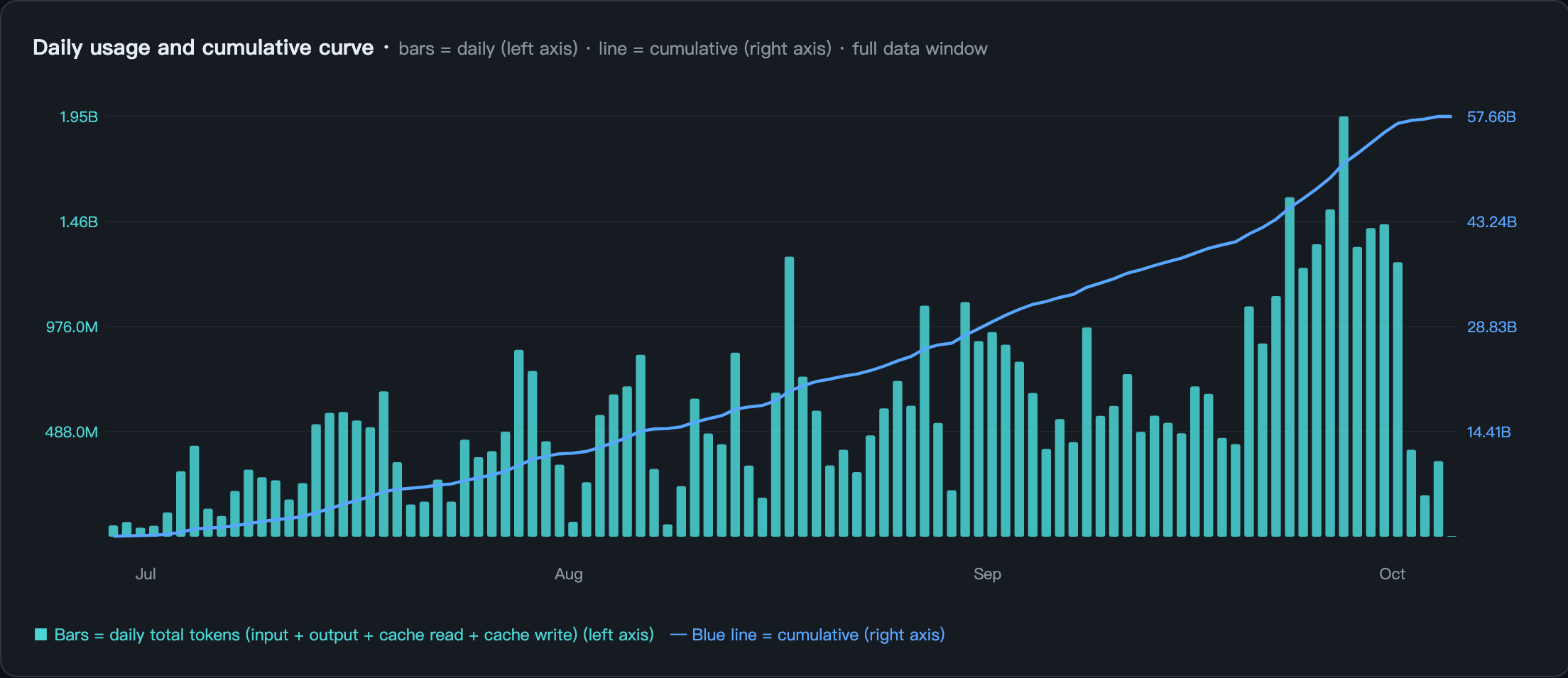
By worldly standards: I still haven't gotten a big enough piece of positive feedback to tell me that this time I finally got it right. Much of the time, all I can do is doubt and keep pushing at the same time.
I often ask myself whether what I've built up over the years is ability or position. Ability travels with you; position doesn't. If a person only gets things done under a certain platform and a certain title, then once they leave the platform, a lot of that fluency may go with it.
The question makes me a little uneasy, because I'm not that sure of the answer.
A lot of people imagine starting a company is like boxing, decided in a few rounds. It's more like a marathon. Most of the time it's easy runs, intervals, tempo runs, long runs, recovery, steady output. No climax, no hero moment. Just finish today's run today, and train again tomorrow.
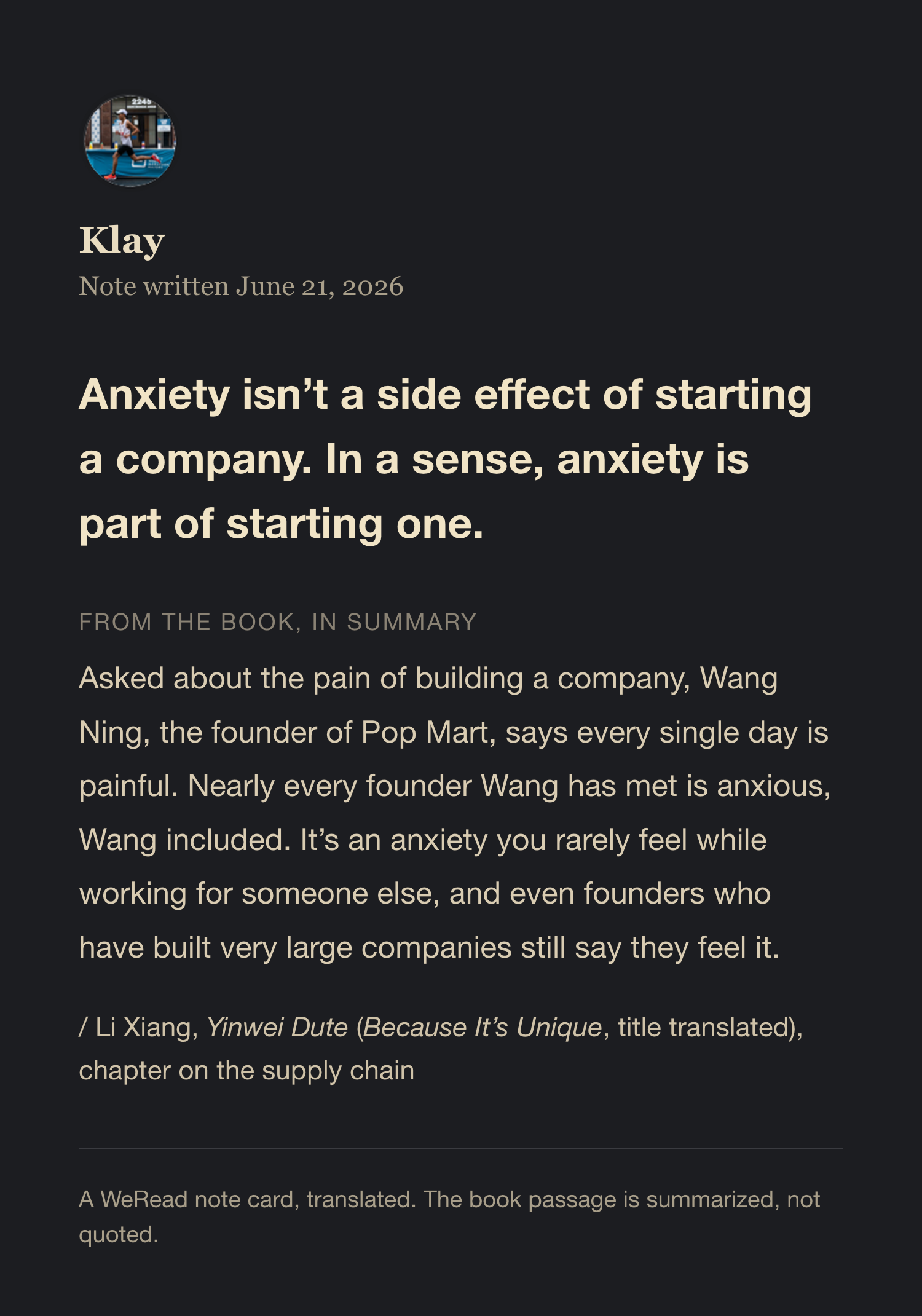
Thirty-two didn't suddenly make me wise. The things I'm afraid of have just gotten more specific: being closer to death, being rejected, a product nobody wants, the awkwardness of talking about money, having fewer friends than I thought.
The rest of my life may be longer than I imagine, or shorter. At thirty-two, I want to write down where I've gotten to, and how I want to live from here.
01 Initiative and Sincerity Are Filters
I found out early that I have one specific gift: a great memory, but for people, not numbers. Some people can glance at a spreadsheet and spot what's wrong; I can't. What I can do is remember people. An avatar on a social app, a WeChat nickname, a line someone posted somewhere: when I run into them again, I can place them right away. It sounds useless, but for sourcing it's hard currency.
Sometimes it also creates an illusion. Knowing someone for a long time, talking a lot, knowing a lot about each other: I easily mistake that for a deep relationship.
This year, during a stretch that was the darkest I've had, I reached out to some of the friends around me for help.
Some I had known for many years, people I always felt close to. I sent the message, and in the end there was no reply. Others I wasn't in touch with that often, people I didn't think of as that close, were the ones who stopped to listen, asked carefully what I needed, and then actually showed up to help.
Things didn't get better right away. But the list of friends in my head got reordered because of it.
I won't erase everything good about a person because of one reaction. Some people are afraid of trouble, or happen to be in a hard place themselves. Some don't know how to comfort someone, and some genuinely have nothing that would solve the problem. All of that I understand.
But when you ask for help, and you had thought of the other person as a friend, their flat silence, their ignoring and their dodging will directly hit the deposits you had built up in your relationship bank account.
Understanding someone doesn't stop me from deciding again where we each belong. What we call the relationship is about how we'll introduce each other from now on. How someone acts when something happens decides how close we can still be later.
I still haven't worked out a complete definition of a friend. Thinking it over, it probably takes having been through some things together, or at least having witnessed a stretch of each other's lives. When things go smoothly, anyone is easy to get along with. A low point shows you a lot you normally can't see.
How often you chat, how many years you've known each other, how you interact on social media: those only show that you were once familiar. When something happens, someone who is willing to ask one more question, willing to take on a bit of inconvenience, willing to treat your pain as something real: that is when the relationship takes on weight.
I also look back at myself, and ask whether I did the same when I was asking it of others.
I've always thought of myself as someone willing to help. When people ask me for introductions, for research, for a repost on WeChat Moments, as long as they don't treat my goodwill as free labor, I usually help. Initiative and sincerity filter other people, and they also hold up a mirror to yourself. If I hope others won't disappear when I'm struggling, I should ask whether I reached out before they had to ask, and whether I really tried once they did.
On MBTI I land pretty consistently between ISFJ and INFJ, with J and F always steady. J types keep life orderly, everything in its place. The F problem is just as obvious: overthinking. Someone does something, replies to a message late, and they may simply be busy; I've already replayed the whole context in my head several times.
Four letters can't explain a person, but they do remind me of one flaw: when I care too much about how other people feel, I tend to hide what I need. Hide it long enough, and I start hoping the people truly close to me will just see it on their own. That's not fair to either side.
From now on I want to say things more clearly. If I need help, admit I need it. If I care, admit I care. If I'm disappointed, I don't have to pretend I feel nothing.
For the people who didn't come through, I'll understand, and I'll also slowly drift away. With new friends, I'm still willing to give a little first.
In VC you have to stay in the room to have a shot at the returns. Friendship can't be calculated with IRR, but one thing underneath is the same: you need to stay at the table. Shut yourself away completely and fewer bad things happen, but the good things can't get in either.
Sincerity doesn't guarantee sincerity in return. But without sincerity, you will never get any back.
At thirty-one I wrote that love is a stance, and has little to do with probability. At thirty-two I'll add one line: a stance is written in actions, especially when trouble comes.
02 Knowing How to Use the Tools Won't Stay Scarce for Long
Before I came to the US, I thought about switching into coding, because back then it seemed easier to find a job that way. Then I figured both China and the US have huge numbers of programmers with formal training. I had no computer science background and no edge against students with four years of CS, so I didn't switch. Two years later, to my surprise, I got hooked on coding anyway.
Life can be cheeky like that. You're afraid, and you can't stop wanting it; and if you want it, the only way is to go in and look. It makes me think: if you're afraid, why keep wanting it; if you want it, why be afraid.
The most direct feeling: AI really has lowered barriers that used to be very high. I can have several agents running at once, writing code, chasing down problems, editing docs, organizing material. On the screen it looks like I suddenly have a team. I even counted: somewhere past the seventh, with seven or eight agents running in parallel, the team didn't fall apart. I did.
Tasks affect each other. Things that were each done right can blow up when you put them together. The machines keep running; my attention and bandwidth can't keep up.
The new questions became: what to do, what to do first, what counts as done, where something broke, and when it breaks, how the bug gets fixed and who fixes it.
How many agents one person can direct at once is still limited, in the end, by how many things that person can keep an eye on. That's probably the most direct thing AI taught me this year.
In summary, from a Jike post by _Osako_, August 7: you can now open dozens of agents and run tasks in parallel, and the efficiency gain is obvious. But the real bottleneck soon turns out to be human attention, not the machines. Past about five, it gets hard to manage: tasks interfere, states drift out of sync, and work that is right on its own breaks when combined. Writing code is only the start; the hard part is managing complexity, and a person's role may shift from doing the work to designing and overseeing the system.
Next, I want to go on record and throw some cold water on one of this year's buzzwords: OPC, the one-person company.
My own experience tells me that everyone's time, energy and attention are limited.
Say you're running a one-man company today, building a piece of software, and you want to do it well. Then you tell yourself you'll also make content, and open up the marketing channels on top of that. You won't have the energy for it; at least I don't. Lately I tried doing ops myself, writing the code myself, managing the servers myself, debugging myself, handling user feedback, reading the dashboard reports every day, while also thinking about how to draft content and how to make videos, and then switching my brain over again. Before the money comes in, you burn out.
Machines can run twenty-four hours a day, and as long as the tokens are there they never get tired. People do. Opening a few more windows on the screen is easy; growing a few more pieces of prefrontal cortex is hard.
The loudest line in the industry this year was about who AI will replace. From what I've seen, what's actually happening is much plainer: knowing how to use the tools will soon stop being a moat. The moat has moved to understanding the business and to judgment. With AI, everyone can say I can, and it's getting harder and harder to answer why me.
I was talking with someone who works on algorithms. He said a great product doesn't have to be low-dimensional early on, but it usually should be low-rank: simple enough that every clever idea lands exactly where it should.
An engineer who runs agents every day said you can run dozens of agents in parallel, and the efficiency gain is obvious. But he soon found the bottleneck had moved from the machines to his own attention. Beyond five, he couldn't manage. Different tasks affect each other, and you even get cases where each piece was done right and together they break.
This year, for the first time, I really understood why programmers have always spent so much time maintaining code, refactoring systems and fixing compatibility. Writing the code is only the start. The hard part is managing complexity.
Those three remarks are saying the same thing: what can be produced has gotten cheaper, and the ability to tell what's good has gotten more expensive.
Tools amplify a person's execution, and they also amplify the mess, the hesitation and the low standards. People's time, attention and responsibility haven't been upgraded along with the model versions.
Over the past year I built three data pipelines, each with its own witness chain, recording where the data came from, when it came in, what processing it went through, and then anchoring the key results into the chain. I wanted every step to leave evidence, so that no one could ever quietly rewrite history into another version.
One day, the upstream data suddenly didn't match what it usually did.
For a moment I couldn't tell whether the source had changed, the interface had a problem, or my own program had a bug, and I was already panicking. A witness chain can prove that a record wasn't altered afterward. It can't judge whether the data written in at the start was true. Once an error is fully preserved, it just becomes a well-preserved error.
Behind that one error that day were things I had said publicly before, and promises. I had promised this system could be verified and would leave a reliable record. The machines keep producing nonstop, and the more automated it gets, the more I worry I won't catch in time which step has already drifted.
That pulled my excitement about AI back a little.
I used to see not knowing how to code as one of my biggest barriers. Once I actually started writing code, the problem slowly turned into something else: which data to trust, when to publish, what to shut off first when something goes wrong, how to explain it to users. None of those questions have standard answers, and you can't hand them to seven agents to vote on.
People who know the field use AI to extend their judgment. People who don't tend to hand their judgment over to AI. People whose job is just relaying information between the boss and the AI will find their position more and more awkward.
My deepest takeaway on AI isn't a list of ten. It's one: the world is producing mediocre supply faster than ever, the differences between mediocre things are flattening out, and from here on there are only two poles, the excellent and the mediocre.
Everyone was talking about K-shaped divergence this year, and it will only get more pronounced. AI easily makes a person's strengths stronger, and it can also patch their weak spots a little.
If K describes splitting into an upper and a lower path, I'd rather draw what I'm seeing as an E, and call it E-shaped: the top holds capital, compute and distribution; the middle competes with similar tools; the bottom still has a hard time getting past the skill and resource thresholds, and now there's a compute threshold on top of that. All three layers are using AI, and the distance between them hasn't noticeably shrunk.
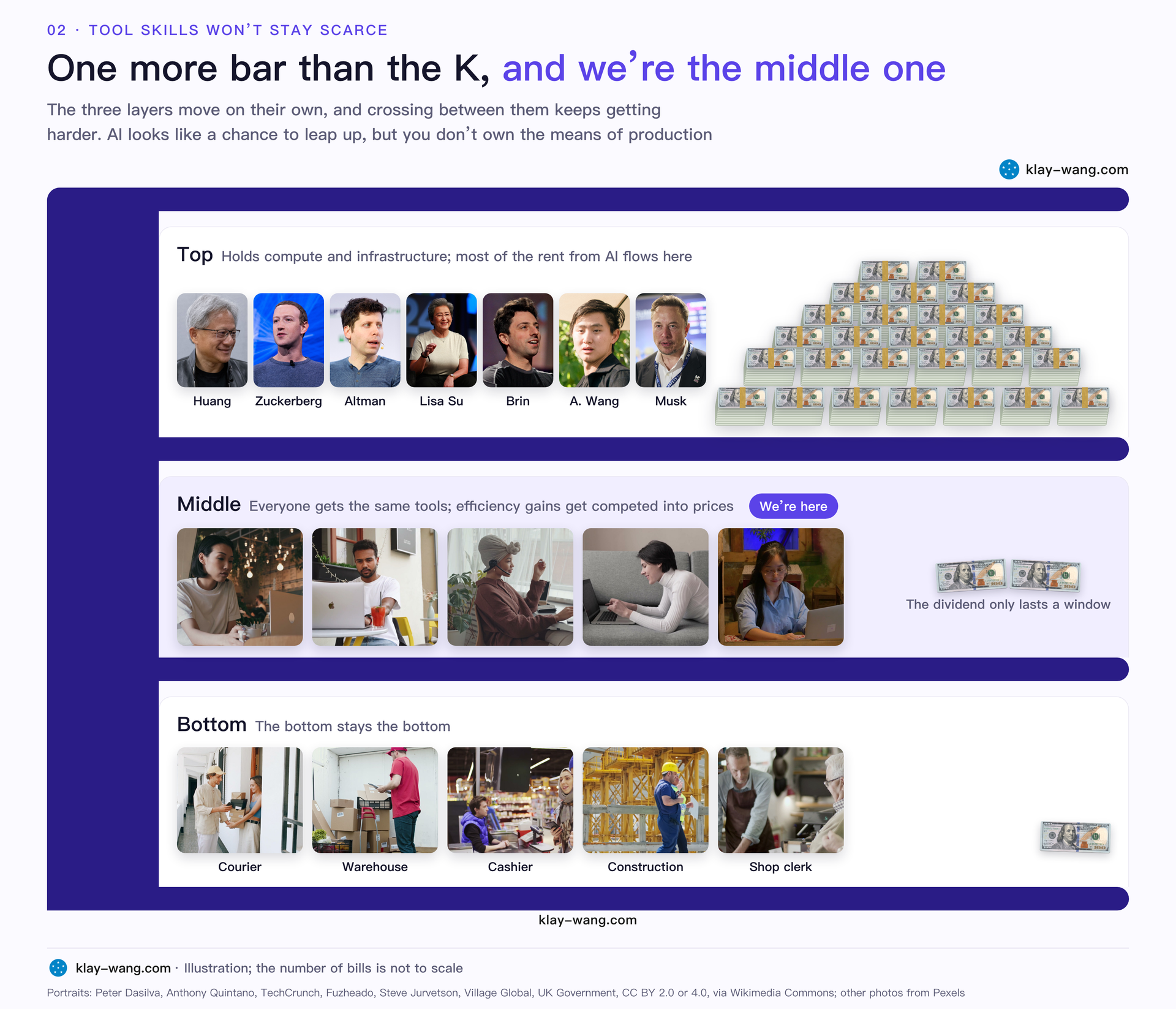
In September 2026, Shopify's CEO turned his private wine cellar into a private server room: three black racks with a Dell Pro Max with GB300, RTX PRO 2000, 16TB of NVMe and dual 400GbE, held at constant temperature and humidity around the clock.

Tobi Lütke on X, in summary: the family's Toronto home has a nice glass wine cellar, but they aren't big wine drinkers. It has good climate control, so it is now a rack cellar.
Most of us are the middle line. AI looks like it's handing you a chance to leap up, but you don't actually own any means of production. Everyone gets the same tools, efficiency gains get competed down into prices fast, and the dividend only exists in a window. The people who last are the ones who turn that dividend into their own data, readers and reputation.
This year I've been very active in embracing AI: trying things, making mistakes, experiencing it, feeling it out, spending time with younger people. I noticed something interesting: when it comes to embracing AI, sometimes it has nothing to do with age and much more to do with personality. Among young people there are some who find it a hassle and don't want to explore. Among the so-called big-tech folks, the senior engineers, the people in their forties and fifties, there are some who embrace it eagerly. In the end, I think what shows is personality.
AI also creates an illusion: produce a decent-looking answer and you think you already understand. In reality you've often only learned the surface, while arrogance grows inside. So stay curious, stay humble, keep embracing it. From now on, when I run into a field I don't know well, I hope I'll draw fewer conclusions and go find more people who have actually done it.
03 Vitality Can't Be Bought
People who know me know I'm a die-hard fan of competitive sports.
The biggest thing sports has given me is keeping my vitality, and a way of thinking about problems through competition and cooperation. One benefit of following and investing in competitive sports for nearly twenty years is that you learn very early how brutal competition is, and more importantly you learn to accept it calmly: failure is normal. Even the greats, Jordan, Kobe, Federer, Djokovic, are made of flesh. They all have physical limits and weaknesses, and they all get emotional.
Sports have never promised that hard work wins. And they're brutal by nature: almost nobody remembers second place, there's only one gold medal and only one first place. Yet they still encourage generation after generation to step up again when the next serve, the next kilometer, the next set of training comes around.
People who are truly strong inside, when they're hit and knocked down, don't resign themselves in despair or give up with regret. They treat the setbacks as the water you work into flour. As you add the water you have to keep kneading, and the kneading is how resilience grows.
At thirty-one I wrote: I know a lot of very rich people, some whose families own mines, some whose families own listed companies, some who got financially free on stocks. To say I don't envy their lives would be a hypocritical lie; being born well is a skill of its own. But later, among the people in my WeChat feed, the ones I envied most were those posting photos of their half marathons, full marathons, trail runs of dozens of kilometers, and very tall mountains they had climbed. Vitality is something money can't buy.
At thirty-two I believe it even more, and I've started treating it as a concrete checklist. Since I was a kid I've had an impractical wish: my ideal life was being an athlete. Being a professional athlete is off the table, it's too late. Living the way an athlete lives isn't. Waking up knowing what you're training today; finishing tired in body and somehow quieter in mind. You'll lose races, you'll have bad stretches, you rest enough and come back.
When people used to talk about the body, what they chased was mostly low body fat, muscle definition, sleep and diet, like an expensive maintenance checklist. When you actually lose something, the body's meaning suddenly gets simple: it lets you see someone one more time, walk one more stretch, eat one more meal, say something to someone's face one more time.
This summer, my grandmother passed away very suddenly.
My mom used to visit her two or three times a week. They had just seen each other midweek, and then on Saturday came the news that she had died. I didn't think of any big lesson at the time. Only one sentence was left in my head: my mom doesn't have a mom anymore.
Later I came across a short video. Roughly, it said: as you get older, the people around you grow old one by one, and you keep facing people leaving you. One small comfort a child brings is that there is always a young life growing up in the house. Some people slowly walk away, and some are just learning to talk, to walk, to run. Life doesn't only move in the direction of loss.
I can't find the original anymore, and I don't want to use it to talk anyone into any choice. It just made me understand, for the first time, why a child's energy, curiosity, even the sound of running all over the house, can comfort grown-ups.
A family goes through goodbyes, and it also keeps eating, sleeping and celebrating birthdays. Grief doesn't get canceled out by a new life, but life gets pulled forward a little by it.
My understanding of the body changed this year too. I came across a question I love: if your body were a Ferrari, how would you maintain it?
These days I care more about whether I can fall asleep reliably, eat well, keep training, and have fewer problems with my teeth and hair. Money can buy better healthcare, but it can't sleep, train or recover for me.
When I wrote my birthday reflection at twenty-six, I spent a long section on running. Back then I loved PRs, faster paces, and using training to prove an ordinary person could push the limit out a little.
At thirty-two I still love competitive sports, and I still want to run faster. The body now feels more like a ticket with an unknown expiration date. With it, I can go see someone, have dinner with family, walk again through places I went fourteen years ago, and, when I miss someone, actually sit across from them.
AI can help with a lot of things. Not the body. Tonight's sleep, today's meals, today's training: in the end, I have to do them myself.
This year Vakee posted this on Jike:
In summary, from a Jike post by Vakee, founder of RockFlow and Bobby AI, August 7: the global GLP-1 market passed $100 billion early this year. But the drugs change weight, not capability: in trials, 25 to 39 percent of the weight lost was muscle and bone. Grip strength and cardiorespiratory fitness are among the best predictors of how long you live, and no injection can raise them; only consistent training can. On that, money stops working. HYROX, which started with 650 finishers, now projects more than 1.3 million participants worldwide in 2026, built almost entirely on community. Looks and height come from your parents, but a strong body is something anyone can train for.
What I commented underneath at the time: getting lighter and getting stronger are two completely different things. Drugs can help lighten the load, but strength and cardio can only be earned with time and training. Anyone who has run a marathon should get this: results don't lie, and physical ability doesn't lie. Intervals, strength training, functional training: there are no shortcuts. How you treated your body over the past few months will get its answer on race day.
The body is one of the few assets you can't outsource.
Running makes this very clear. Whether you did the training, your body knows. Whether you slept enough the night before, your heart rate the next day knows. Say you're in good shape, and in the second half of the race your body will collect what you owe it, item by item. At work you can still get by on how you talk and how you package things. The body rarely does you any favors.
I like that honesty. When a lot of things are out of my control, it still leaves me a small patch of ground I can slowly rebuild. Sleep a bit better today, go out for a run tomorrow, go a bit longer the day after. Recovery has no drama; most of the time it's even boring. But a person's spirit comes back, bit by bit, through exactly those boring repetitions.
This year I also picked up a small cheat code: when I hit a moment that's especially happy and worth remembering, I put on a song I love at the time. Three or five years later, hearing it again, the scenes from that stretch come back on their own. I plan to keep doing this.
04 Keeping My Head Down Is My Most Practiced Escape
My former boss kept drilling one line into me: don't do the specific work yourself, but do make the specific money.
When I was younger I didn't quite buy it. If nobody does the work, how does money grow out of nowhere? Slowly I came to understand: what he kept hold of was clients, partnerships and how the money got split. The tech lead led the team on development while he went out and found clients. When a project got harder, he renegotiated the price. When the team carried an extra month, he adjusted their share on his own. The specific work was all done by others, but the two or three things that most affected the outcome, he never let go of.
The boss's game was pulling resources together and hiring technical talent. The money was specifically his to make; the work was done by the people under him. Technical skill earns you money for doing the work; pulling things together and dividing them up earns you money for dividing the money, and the second kind is the one that keeps growing.
You hand the specific work to others because you can't do it all yourself. You keep the most lucrative part for yourself because nobody will care more than you about how the money actually lands in hand.
When he hired, he never talked about how good your technical skills were. He asked what problems you could solve, and what share it would take for you to want to do it. When hiring salespeople, he didn't care whether they could talk a good game; he only asked how many enterprise client relationships they had.
I once asked him what happens if someone takes the money and doesn't do the work. He laughed and said: get the specific money split clearly first, and the people willing to work will come on their own. With channel partners, pay part up front as a deposit and the rest after the deal is signed. If they don't do the work, they don't get the rest, and that works much better than watching over them.
I've also seen someone going the other way.
A tech lead, very good technically, wrote code and fixed bugs with the team every day, so busy he didn't even have time to eat. The more projects the company took on, the more exhausted he got, and he was still paid a fixed salary plus a small bonus. When a project went wrong, he took the blame too. He always believed that if his skills got just a little sharper, his income would naturally go up.
That story makes me uncomfortable, because for many years, I was that person.
I believe in doing things well, and I have been rewarded for doing specific work well. But keeping your head down has a hidden benefit: it lets me put off the questions I can't answer. As long as I stay busy, I don't have to think about what this work is worth, who takes the biggest share, whether I can find clients, whether I dare put a price on my own judgment.
AI makes this kind of escape even easier. You can get more done in a day, and busyness disguises itself more easily as progress.
I'm afraid of being rejected, afraid people will find out nobody wants the product, afraid of seeming awkward when money comes up. And when I actually have to rely on my network to find the first users, I also have to admit my circle of friends isn't as wide as I thought.
I'm afraid of all of it.
I've gone a long time without a big piece of positive feedback, and confidence is hard to grow out of thin air. Sometimes I look at other people who already have clients, revenue and investors, and my own thing feels like a very long round of entertaining myself. The more I think that way, the easier it is to retreat to the most familiar place and do a bit more of what nobody has asked me to do yet.
At thirty-two, I still haven't answered this one well.
Admitting I haven't answered it well is a little embarrassing. It's still more honest than writing a pretty story about a transformation I've already completed.
Over the next year I want to do less of the hard work that just protects my ego. When something is usable, put it out there. If someone says it's not good, ask exactly what isn't. If someone is willing to pay, deliver seriously. If nobody responds, don't rush to give the silence a flattering explanation.
I'm very good at keeping something going. The next lesson is letting it into other people's lives, and accepting a clear yes or no from them.
05 Making the Choice Few People Make
At twenty-six I drew myself an impossible trinity for life: money, fame and happiness. At most you can seriously hold on to two.
You can't have everything. Every choice comes with giving something up. Talking only about what you gain and never about what you lose usually means you're lying to yourself.
There are two sayings I copied out several times this year. The first:
Make the choice most people make, and you live the life most people live; make the choice few people make, and you live the life few people live.
Learn the skills most people learn, and you get the job most people get; dig as deep as few people dig, and you reach the peak few people reach.
The other is from Wang Ning: respect time, respect the business.
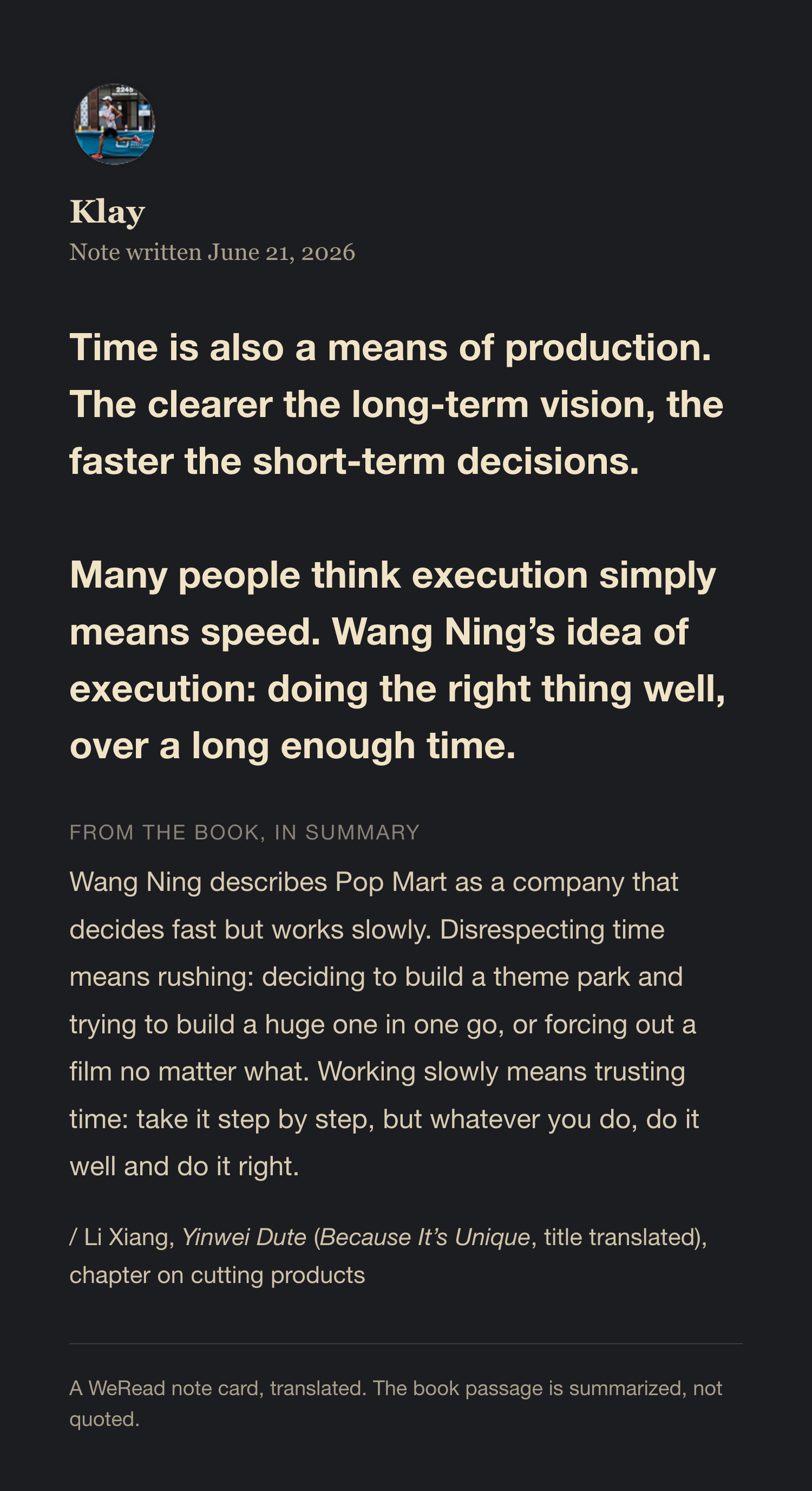
Neither saying is remarkable on its own. The hard part is the cost behind them: the choice few people make, at the moment you make it, almost always looks like a mistake.
Before coming to the US, I thought about switching into coding because it was easier to find a job. In the end I didn't, because I felt I had no foundation. Two years later I got hooked on coding, and this time there was no job opening and no job description telling me what to learn. I built projects, ran agents, fixed bugs, reworked website UIs, and dug into how to keep memory updated without constantly having to compress or distill it.
This hasn't proven I chose right yet. It only proves that interest sometimes goes around the most practical plans and comes knocking again a few years later.
The choice few people make isn't that heroic. Most of the time it just means being willing to keep at something a while longer when there's no applause and no certain payoff. It might also turn out to be the wrong choice. Being in the minority has never been a synonym for being right.
Most people's pain comes from measuring themselves with several rulers at once. Whether your income went up this month is one, where people your age have gotten to is another, the person you want to be in ten years is a third. The readings on those rulers fight every day, and it's hard to be at peace.
This year I'd rather pick a longer ruler first, and then check regularly whether it's actually measuring anything.
First, for things others have already proven, learn them first, reproduce them first, make my own version first. Starting from zero every time is sometimes just not wanting to admit others are ahead of you.
Second, admit it early when something shows no signal. If a project has no users, no feedback and no progress, there's little point in telling more stories about it. Attention is the only thing that hasn't gotten cheaper in recent years, and dead projects can't keep holding the best seat.
Third, be a friend of time, but also accept short-term tests. You can look at a direction over ten years, but what you've built still has to find real users, talk price and take real feedback. If users don't come, the silence is itself a signal.
I've never gotten a big enough piece of positive feedback, and that makes it easy for me to feel inadequate and to doubt my own judgment. But little positive feedback doesn't automatically prove the direction is wrong; and sticking with something for a long time doesn't prove the direction is right either.
What I can do is not define myself by a moment's wins and losses, and not use ideals to cover up reality. Pick a long ruler, and read carefully every mark it leaves.
Most people's pain comes from measuring themselves with several rulers at once. Whether your salary went up this month is one, where people your age are is another, the person you want to be in ten years is the third. The three readings fight every day, and you stay anxious all the time.
Put plainly, the choice few people make is this: pick the longest ruler, and put up with it measuring nothing in the short term.
06 A Final Word
At thirty-one I wrote myself a set of operating rules: think clearly about what you absolutely must do in this life, and don't deceive yourself; find where what you love and what you're good at overlap; save your free time for what makes your heart glow; until your direction is settled, keep life stable; don't rush, move forward a little each day; keep your routine, your mood and your urge to share; stay in regular touch with family and friends; seek out kindred spirits, and do your best to help others.
This year I took them out and checked them. Some I did. Some were only moving at the moment I wrote them down, and later got buried by busyness.
I still get trapped in specific work. I put off asking whether the direction is right so that I can do a bit more; I think starting from a blank page is what makes you impressive; and I can't bring myself to drop a project that has shown no signal for a long time.
So this year I'm adding three more:
First, don't get trapped in doing the work. Where the clients are, how the money gets made and how it gets split: you have to face those yourself.
Second, you can learn from roads others have walked. Starting everything from zero is often just arrogance, not wanting to admit others are already ahead.
Third, for things that have shown no signal for a long time, admit early that they may be over. That goes for projects, and sometimes for relationships too. Attention is precious; you can't keep saving the best seat for the past.
Drucker had a habit I love: each time you decide to do something, write down the result you expect, and nine months or a year later, take it out and compare it with what happened.
Last year I copied that line at the end of my essay. This year was the first time I actually took it out and checked. The benefit of writing things down, I suppose, is that memory can no longer quietly revise my answers for me.
At the end of my essay at twenty-six, I made a long wish list: running, travel, tennis, music festivals, Harry Potter, concerts, a bit of everything. Looking back now, the loveliest thing about that list is that the person I was then truly believed there were many kinds of lives still ahead to live.
I want to have many more meals with 🦁. We always think there will be more chances, and then the calendar flips and another year goes by, and another.
I want to go to Taiwan again. It's probably my favorite place I've traveled, and the last time I went was fourteen years ago. A lot of places have probably changed, and so have I. I want to walk it again and see whether the people in my memory and the person I am today can still recognize the same street. And see what's new with the friend who once gave me rides on the back of their scooter.
I also want to keep living the way an athlete lives. It's too late to go pro, but training seriously, eating well, sleeping on time, and every so often stepping up to a real starting line: there's still time for that.
I want to find sincere love.
Writing that at thirty-two feels a bit too direct. But I can't think of a cleverer way to say it. I want to be taken seriously, to have someone willing to understand my awkwardness, my warmth and my unease, to figure things out together when trouble comes, and I want to give the same in return.
At work, I hope to make a product that people really use and like. Making something used by hundreds of millions of people is tempting, of course, but a few thousand, a few tens of thousands, would be good too. It doesn't need to be a lot. One small step a day. First a small group of people who get going with it, then tell me what's wrong, and ideally are willing to pay.
At thirty-two, may I get things right, and not let the days slip by.
Comments留言